.png)
What to Do If You Slip and Fall at Work - Columbus Slip and Fall Lawyers

Slip and fall accidents are some of the most common injuries in workplaces throughout Ohio. They can happen in almost any work environment, from an office or hospital to a warehouse or construction site. Wet floors, uneven surfaces, loose cords, icy sidewalks, and poorly maintained stairs all can contribute to a slip and fall that results in very serious injuries.
While some slip and fall accidents only cause minor injuries, like a cut or bruise, others can lead to long-term disability, lost income, and extensive medical treatment.
When a slip and fall accident occurs at work, injured employees often don't feel sure about what steps they should take. Many workers get worried that if they report a workplace slip and fall, they will jeopardize their job. Others don't realize, at first, how severe their injuries are, so they delay medical treatment. All of this can negatively affect any workers' compensation claim the worker has.
Ohio's workers' compensation law offers important protections for workers who were injured on the job during a slip and fall accident. However, there is a process that must be done to comply with both medical and legal requirements. Knowing what to do if you slip and fall at work will help to protect both your physical health and your financial stability.
Common Causes of Slip and Fall Accidents at Work
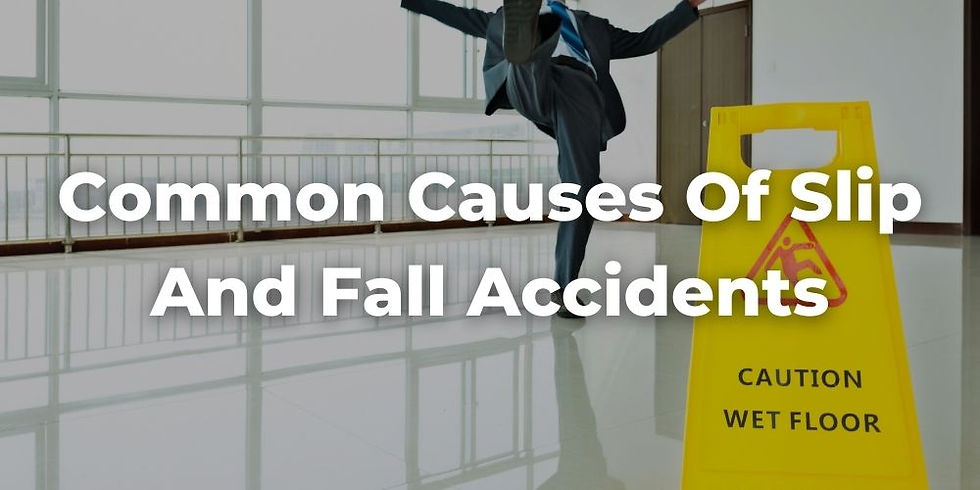
Slip and fall accidents may occur in almost any job. Some jobs carry higher risk, of course, but no workplace is totally free of the chance of a slip and fall accident occurring. Common causes of slip and fall accidents include wet floors, spills, uneven walking surfaces, broken pavement, loose carpeting, poor lighting, cluttered walkways, and icy or snowy outdoor areas.
In an industrial or construction setting, a fall can be caused by debris on the ground, oil or grease, uneven flooring or improperly secured equipment.
In an office environment, things like loose cords, slick surfaces, or poorly maintained staircases can contribute to a fall.
Restaurants and healthcare facilities may have wet floors and fast-paced environments that will increase the chances of a fall.
It doesn't really matter what safety hazards causes it; if a slip and fall occurs when a person is performing job-related duties, the person may be eligible to file a workers' comp claim.

What to Do After a Slip and Fall at Work
Seek Medical Attention Immediately
The first thing you should do after a slip and fall accident at work is get seen by a doctor. Even if the injury seems small or if there are no visible injuries, it's common for symptoms like pain, swelling, or dizziness to get worse over time. Injuries like concussions, back injuries, or soft tissue damage aren't always apparent.
Getting necessary medical treatment quickly does two things. First, it ensures that the injured worker gets the proper treatment and doesn't get hurt worse by letting it go. Second, it creates a record that links the injury to the workplace accident. This type of documentation is extremely important in the claims process, and it may be absolutely necessary to get a claim approved.
In an emergency situation, an injured worker should get immediate medical care at an ER or urgent care. For non-emergency injuries, it's important to make an appointment with a primary care or other doctor as soon as possible. Without having these medical records, there could be disputes about whether or not the injury is work-related or not.
Injured Workers Should Report the Accident to the Employer
In Ohio, most employers are required to carry workers' compensation insurance. Ohio law also requires an injured worker to notify their employer of the workplace injury. An accident report should be filed as soon as possible, even if the injury seems minor, at first. Many Ohio employers have a specific reporting process in place.
When filing a report, it should include basic facts about the accident. It should state when and where it occurred, an explanation of what happened, and what injuries were sustained. Witness statements can also be added.
It's very important to stick to the facts and be truthful, but you shouldn't minimize symptoms, speculate, or say anything like "I'm fine," or "It's not a big deal." Those words can be used to challenge your claim.
If possible, make the incident report in writing and keep a copy for your personal records. Not reporting the fall quickly can complicate the claim and result in slow or denied benefits.
Document the Scene and Gather Evidence
Evidence plays a role in workers' compensation cases, including with slip and fall claims. If you can, following the slip and fall accident, document the scene with photos or video. Important things to document include wet floors, icy surfaces, broken steps, or poor lighting.
Even though workers comp is generally a no-fault system, disputes can still arise over whether or not an injury occurred at work or if it was caused by something else, like a pre-existing condition.
File a Workers’ Compensation Claim for Lost Wages
After the injury has been reported and you have received medical care, the next step is to file the claim. You don't need an attorney or anything for this. It's typically done by the employer, the doctor, or even the worker themselves. An attorney can advise on what to do if you’re hurt by faulty equipment on the job though.
The claim has to include information about the injury, the accident, and the medical diagnosis. Once it is filed, the Ohio BWC will look at the claim and determine if it's allowed or not. If approved, the worker may be entitled to benefits like compensation for medical expenses, lost wages, and other costs.
Follow Medical Restrictions and Treatment Plans
Following a slip and fall injury, it's imperative to follow all of the medical recommendations and restrictions from the doctor. It's also very important to go to follow up appointments, take prescribed medication, go to physical therapy, and adhere to the work restrictions.
If you don't do these things, again, it can be used against you, which may reduce or even stop your benefits.
If there are work restrictions from the doctor, these restrictions should be documented and communicated to the employer. A worker shouldn't return to work until the doctor says it is okay, though in some cases, light or modified duty is available.
Understand Light-Duty and Return-to-Work Issues
As mentioned, sometimes an employer may offer a light-duty option or a modified work assignment. These are meant to accommodate medical restrictions while, at the same time, allowing an employee to come back to work.
Light-duty can be beneficial, but it also must align with any medical limitations. If a light-duty assignment can't be performed safely, the worker should speak to their doctor, who will document that fact in writing.
It's common to have disputes over these things, but working with an experienced workers compensation attorney can help to clear things up. They can advise on what to do if you are offered a light-duty assignment you can’t perform.
Be Aware of the Most Common Injuries After a Slip and Fall Accident
Slip and fall accidents can cause a wide range of injuries. The most common include sprains, strains, broken bones, shoulder injuries, back injuries, and traumatic brain injuries.
Back injuries are particularly common, and they can lead to chronic pain or even permanent disability. Head injuries can lead to cognitive impairment, memory issues, or neurological symptoms. Even injuries that seem minor at first can develop into something much worse if not properly treated.
When to Contact a Workers’ Compensation Attorney
Slip and fall accidents might seem pretty cut and dry, but they can become quite complex. Disputes are more common than most people think, and an injured worker might feel pressured by their employer to come back to work more quickly than they should. If you feel like this, it's always a good idea to speak with an experienced attorney who offers a free consultation. You have nothing to lose.
Slip and fall accident lawyers can help by reviewing the facts of the case, make sure everything is carefully documented, and communicate with the BWC and the employer. They can help with filing appeals, and, if necessary, they can also represent their client before the Industrial Commission. For more information, these work injury attorneys in Columbus may be able to help.
Protecting Your Rights After a Slip and Fall at Work with Legal Representation
Slip and fall accidents can disrupt every aspect of a worker’s life, from physical health to financial stability. Ohio workers’ compensation law provides important benefits, but those benefits are not automatic. Protecting one’s rights requires timely action, careful documentation, and a clear understanding of the process.
Injured workers should prioritize their health, follow medical advice, and seek legal guidance when needed. No one should feel forced to choose between recovery and income after a workplace injury.
Larrimer & Larrimer has extensive experience representing injured workers throughout Columbus and Central Ohio. When a slip and fall occurs at work, having knowledgeable legal representation can make a critical difference in securing benefits and protecting long-term well-being.


